
Running for Beginners: How to Start the Right Way
Running looks simple.
Put on your shoes, step outside and start moving.
But if you haven’t run regularly before, doing too much too soon can leave you exhausted, extremely sore or dealing with an avoidable injury.
The good news is that you don’t need to be an experienced athlete to become a runner.
You can start with short sessions, alternate walking and running, gradually increase your distance and give your body enough time to adapt.
Whether your goal is to lose fat, improve stamina, run 5K, become fitter or simply become more active, running can be an excellent addition to your fitness routine.
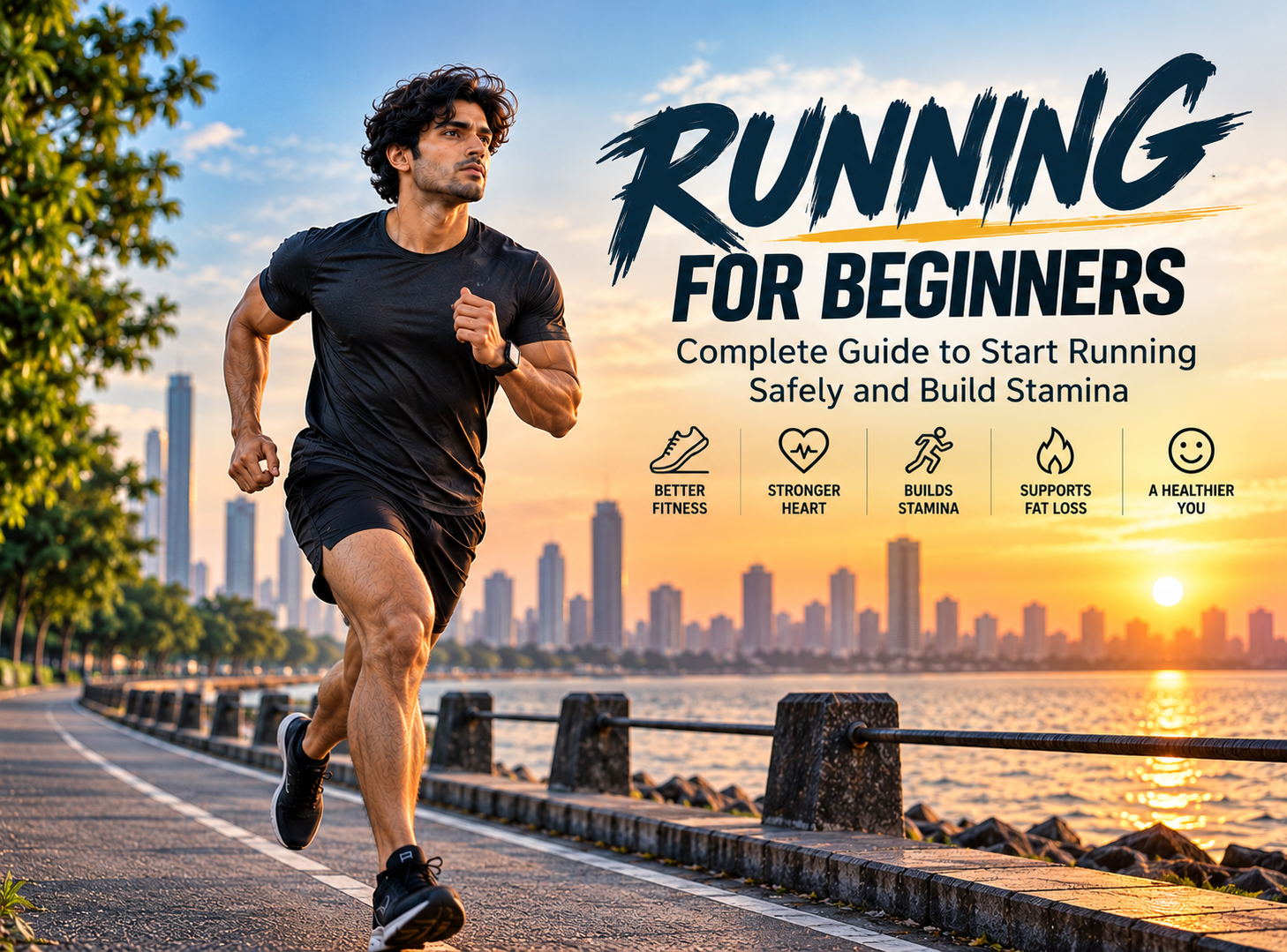
This running for beginners guide will show you how to start, how often to run, how to build endurance and the mistakes you should avoid.
What Are the Benefits of Running?
Running is a convenient form of cardiovascular exercise that requires very little equipment.
You can run outdoors, on a treadmill, at a track or in many other suitable locations.
Regular running can help improve cardiovascular fitness and contribute to your overall physical activity.
1. Improves cardiovascular fitness
Running challenges your heart and lungs to deliver oxygen to working muscles.
As you gradually improve your fitness, activities that previously left you breathless may start to feel easier.
2. Helps support fat loss
Running increases energy expenditure and can be part of a fat-loss plan.
However, running doesn’t automatically cause fat loss. Your overall energy intake, activity level and nutrition still matter.
3. Builds endurance
Consistent running can help you stay active for longer periods without becoming excessively fatigued.
4. Convenient and affordable
You don’t need a complicated setup.
A suitable pair of running shoes and a safe place to exercise are enough to get started.
5. Supports an active lifestyle
Running can become more than a workout.
It can become part of your weekly routine and give you a measurable fitness goal to work toward.
How Should a Beginner Start Running?
If you haven’t been running regularly, don’t start by trying to run 5 or 10 kilometres continuously.
Instead, begin with a combination of walking and running.
For example:
1 minute running + 2 minutes walking
Repeat this several times.
As your fitness improves, gradually increase the running intervals and reduce the walking intervals.
This approach allows you to build your running habit without immediately putting a large training load on your body.
How to Improve Running Stamina
If you want to run longer without getting tired, don’t simply run harder.
Instead, focus on gradual progression.
1. Run consistently
One run every two weeks won’t build much endurance.
A manageable weekly routine is more useful.
2. Keep most runs comfortable
You don’t need every run to be a hard workout.
3. Increase gradually
Don’t suddenly double your weekly distance.
Give your body time to adapt.
4. Strength train
Strength training can complement running by developing your muscles and supporting overall physical fitness.
Exercises such as:
- Squats
- Lunges
- Romanian deadlifts
- Calf raises
- Glute bridges
- Core exercises
can be included in a balanced training program.
5. Recover properly
Sleep, nutrition and rest are important parts of endurance training.
Common Running Mistakes Beginners Make
1. Running too fast
Your first goal is not speed.
Build your aerobic base first.
2. Running too much too soon
Increasing distance dramatically can place unnecessary stress on your body.
Progress gradually.
3. Ignoring pain
Normal exercise fatigue and significant pain are not the same thing.
If you experience persistent or severe pain, stop and seek appropriate professional advice.
4. Skipping rest days
More training isn’t always better.
Recovery is part of training.
5. Comparing yourself with experienced runners
Someone who has been running for years will naturally be faster than someone who started last week.
Compare your current performance with your own previous performance.
6. Making every run a race
Easy runs should actually feel easy
Running is a great way to improve cardiovascular fitness and support your weight-management goals. For more practical advice, check out our How to Lose Belly Fat Fast (Complete Beginner Guide 2026) to learn about sustainable fat-loss strategies, exercise, and nutrition.